Lifestyle
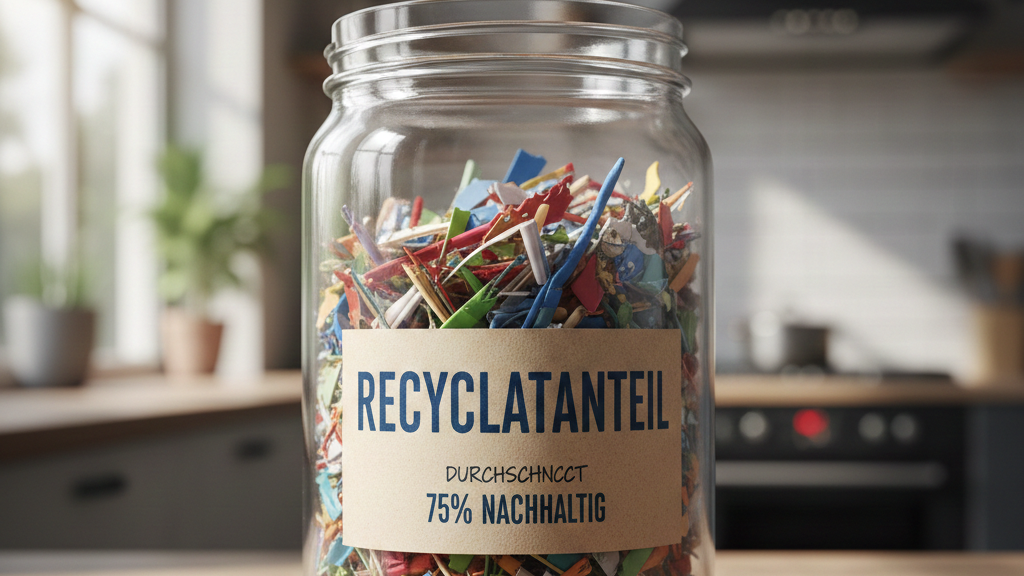
Recyclatanteil: Bedeutung, Berechnung und warum er zum Schlüssel der Kreislaufwirtschaft wird
Der Recyclatanteil ist längst mehr als nur eine technische Kennzahl für Verpackungen oder Produkte. Er entwickelt sich zu einem zentralen Hebel für Nachhaltigkeit, Ressourcenschonung und klimabewusstes Wirtschaften. Unternehmen werben damit, Gesetzgeber regulieren ihn, und Verbraucher achten zunehmend darauf. Doch was steckt wirklich dahinter?
In diesem Artikel tauchen wir tief in das Thema Recyclatanteil ein. Du erfährst, wie er definiert wird, warum er für die Kreislaufwirtschaft so entscheidend ist, wie er berechnet wird und welche Chancen sowie Herausforderungen damit verbunden sind.
Was bedeutet Recyclatanteil genau?
Der beschreibt den prozentualen Anteil von recyceltem Material (Rezyklat), der in einem Produkt oder einer Verpackung enthalten ist. Gemeint sind Materialien, die bereits einmal genutzt, anschließend aufbereitet und erneut in den Produktionskreislauf eingebracht wurden.
Dabei unterscheidet man unter anderem zwischen:
-
Post-Consumer-Rezyklat (PCR): Material aus Haushalts- oder Gewerbeabfällen
-
Post-Industrial-Rezyklat (PIR): Produktionsreste aus der Industrie
-
Mechanisch recyceltem Material
-
Chemisch recyceltem Material
Je höher der , desto geringer ist in der Regel der Bedarf an Primärrohstoffen wie Erdöl, Metallerzen oder Holz.
Warum der Recyclatanteil so wichtig ist
Der spielt eine Schlüsselrolle für ökologische und ökonomische Nachhaltigkeit. Er beeinflusst nicht nur den Ressourcenverbrauch, sondern auch Emissionen, Abfallmengen und die Abhängigkeit von globalen Rohstoffmärkten.
Die wichtigsten Vorteile im Überblick:
-
Reduzierung von CO₂-Emissionen
-
Schonung endlicher Ressourcen
-
Verringerung des Abfallaufkommens
-
Stärkung der Kreislaufwirtschaft
-
Positives Nachhaltigkeitsimage für Unternehmen
Gerade in Zeiten steigender Rohstoffpreise wird ein hoher auch wirtschaftlich immer attraktiver.
Recyclatanteil und Kreislaufwirtschaft: Ein untrennbares Duo
Die Kreislaufwirtschaft verfolgt das Ziel, Materialien so lange wie möglich im Nutzungskreislauf zu halten. Der Recyclatanteil ist dabei eine messbare Größe, die zeigt, wie gut dieses Prinzip tatsächlich umgesetzt wird.
Ein funktionierender Materialkreislauf bedeutet:
-
Weniger Deponierung und Verbrennung
-
Höhere Materialeffizienz
-
Design-for-Recycling-Konzepte
-
Einsatz von Sekundärrohstoffen
Ohne einen signifikanten bleibt die Kreislaufwirtschaft reine Theorie.
Gesetzliche Vorgaben zum Recyclatanteil
In vielen Ländern wird der zunehmend reguliert. Besonders in der EU gibt es klare Zielvorgaben, vor allem für Verpackungen aus Kunststoff.
Beispiele für regulatorische Anforderungen:
-
EU-Verpackungsverordnung (PPWR)
-
Mindest-für Kunststoffflaschen
-
Erweiterte Herstellerverantwortung (EPR)
-
Nationale Verpackungsgesetze
Diese Vorgaben zwingen Unternehmen dazu, ihre Materialstrategien neu zu denken und verstärkt auf Rezyklate zu setzen.
Wie wird der Recyclatanteil berechnet?
Die Berechnung des erfolgt in der Regel gewichtsbezogen. Entscheidend ist, wie viel recyceltes Material im Verhältnis zur Gesamtmasse enthalten ist.
Grundformel:
Recyclatanteil (%) = (Masse des Rezyklats / Gesamtmasse des Produkts) × 100
Wichtig ist dabei die Transparenz der Lieferkette. Zertifizierungen und Materialnachweise spielen eine zentrale Rolle, um Greenwashing zu vermeiden.
Recyclatanteil in verschiedenen Materialien
Der Recyclatanteil lässt sich nicht bei allen Materialien gleich einfach umsetzen. Je nach Stoffart gibt es große Unterschiede.
Recyclatanteil bei Kunststoffen
Kunststoffe stehen besonders im Fokus. PET, HDPE und PP lassen sich vergleichsweise gut recyceln, während Verbundmaterialien problematisch sind.
Typische Einsatzbereiche:
-
Getränkeflaschen
-
Kosmetikverpackungen
-
Haushaltsprodukte
Recyclatanteil bei Papier und Karton
Hier sind hohe Recyclatanteile oft leichter erreichbar. Altpapier ist gut verfügbar und etabliert im Recyclingprozess.
Recyclatanteil bei Metallen
Metalle wie Aluminium oder Stahl können nahezu verlustfrei recycelt werden. Der Recyclatanteil ist hier oft besonders hoch.
Herausforderungen beim Einsatz von Rezyklaten
So sinnvoll ein hoher Recyclatanteil ist, er bringt auch Herausforderungen mit sich.
Typische Hürden sind:
-
Schwankende Materialqualität
-
Begrenzte Verfügbarkeit von hochwertigem Rezyklat
-
Technische Einschränkungen in der Produktion
-
Höhere Kosten bei bestimmten Materialien
-
Strenge regulatorische Anforderungen, z. B. im Lebensmittelkontakt
Diese Faktoren machen deutlich, warum der Recyclatanteil nicht von heute auf morgen maximiert werden kann.
Qualität und Design: Der Schlüssel zu höherem Recyclatanteil
Ein oft unterschätzter Faktor ist das Produktdesign. Wer recyclinggerechte Produkte entwirft, erleichtert den späteren Einsatz von Rezyklaten.
Best Practices:
-
Monomaterial statt Materialmix
-
Verzicht auf unnötige Farben und Additive
-
Leicht trennbare Komponenten
-
Klare Materialkennzeichnung
Gutes Design ist die Voraussetzung für einen dauerhaft hohen Recyclatanteil.
Recyclatanteil als Marketing- und Wettbewerbsfaktor
Für viele Unternehmen ist der Recyclatanteil inzwischen ein wichtiges Kommunikationsinstrument. Verbraucher achten zunehmend auf nachhaltige Produkte und transparente Angaben.
Ein glaubwürdig kommunizierter Recyclatanteil kann:
-
Vertrauen schaffen
-
Markenloyalität stärken
-
Kaufentscheidungen positiv beeinflussen
Wichtig ist jedoch, nur belegbare und zertifizierte Aussagen zu treffen.
Zukunft des Recyclatanteils: Wohin geht die Reise?
Die Entwicklung zeigt klar nach oben. Technologische Innovationen wie chemisches Recycling, digitale Materialpässe und strengere Gesetzgebung werden den Recyclatanteil weiter erhöhen.
Zukünftig erwarten Experten:
-
Höhere Mindestquoten
-
Bessere Rezyklatqualität
-
Mehr Transparenz entlang der Lieferkette
-
Stärkere Nachfrage nach Sekundärrohstoffen
Der Recyclatanteil wird sich vom „Nice-to-have“ zum Standard entwickeln.
Fazit: Warum der Recyclatanteil jetzt entscheidend ist
Der Recyclatanteil ist einer der wirkungsvollsten Hebel für nachhaltiges Wirtschaften. Er verbindet ökologische Verantwortung mit ökonomischem Nutzen und regulatorischer Sicherheit. Unternehmen, die frühzeitig investieren, sichern sich klare Wettbewerbsvorteile.
Für Verbraucher bedeutet ein hoher Recyclatanteil: bewusster konsumieren, Ressourcen schützen und aktiv zur Kreislaufwirtschaft beitragen. Jetzt ist der richtige Zeitpunkt, umzudenken und zu handeln.
Häufig gestellte Fragen (FAQs)
1. Was ist der Unterschied zwischen Recyclatanteil und Recyclingquote?
Der Recyclatanteil beschreibt den Anteil recycelten Materials im Produkt. Die Recyclingquote misst, wie viel Abfall tatsächlich recycelt wird.
2. Ist ein hoher Recyclatanteil immer besser?
Grundsätzlich ja, solange Qualität, Sicherheit und Funktionalität gewährleistet bleiben.
3. Wie erkenne ich den Recyclatanteil eines Produkts?
Durch Herstellerangaben, Zertifikate oder Umweltlabels auf der Verpackung.
4. Warum ist der Recyclatanteil bei Lebensmitteln oft niedriger?
Wegen strenger Hygiene- und Sicherheitsanforderungen an Materialien mit Lebensmittelkontakt.
5. Können Verbraucher den Recyclatanteil beeinflussen?
Ja, durch bewusste Kaufentscheidungen und korrektes Trennen von Abfällen.
Lifestyle
Dampfreis: The Complete Guide to Understanding, Benefits, and Practical Uses
Introduction to Dampfreis
Dampfreis is a term that’s gaining attention across various industries, particularly where moisture control, steam management, or environmental regulation plays a role. Whether you’ve come across it in construction, cleaning, or industrial applications, understanding Dampfreis can open the door to smarter, more efficient solutions.
At its core, Dampfreis refers to a system, concept, or method designed to control or eliminate excess moisture, vapor, or steam. This might sound simple, but the implications are significant—especially when moisture-related damage, mold growth, or inefficiency is at stake.
In this comprehensive guide, we’ll break down what Dampfreis really means, how it works, and why it’s becoming increasingly relevant in modern environments.
What Does Dampfreis Mean?
The word Dampfreis is derived from two roots:
- “Dampf” – meaning steam or vapor
- “Freis” – interpreted as free, release, or control
Together, Dampfreis suggests freedom from unwanted vapor or controlled release of steam.
In practical terms, it is often used to describe:
- Moisture control systems
- Steam regulation technologies
- Anti-condensation solutions
- Environmental control mechanisms
Why Dampfreis Matters in Modern Applications
Moisture might seem harmless, but in many contexts, it’s a silent disruptor. That’s where Dampfreis solutions come in.
Key Reasons Dampfreis Is Important
- Prevents mold and mildew growth
- Protects structural integrity of buildings
- Improves indoor air quality
- Enhances energy efficiency
- Reduces long-term maintenance costs
Without proper moisture control, environments can quickly become unhealthy and inefficient.
How Dampfreis Works
Understanding how Dampfreis works requires a look at basic moisture behavior. Moisture exists in the air as vapor, and when it cools, it condenses into liquid.
Dampfreis systems manage this cycle by:
- Regulating temperature differences
- Controlling airflow
- Removing excess humidity
- Preventing condensation buildup
Common Mechanisms Used in Dampfreis
- Ventilation systems – circulate air to reduce humidity
- Dehumidifiers – extract moisture from the air
- Insulation materials – prevent condensation
- Barrier coatings – block moisture penetration
Each method contributes to maintaining a balanced, dry environment.
Types of Dampfreis Applications
Dampfreis is not limited to one field. It has widespread applications across industries.
1. Dampfreis in Construction
In buildings, Dampfreis is essential for moisture-proofing and structural durability.
Applications include:
- Damp-proof membranes
- Wall insulation systems
- Roof ventilation setups
- Basement waterproofing
Without these measures, buildings can suffer from:
- Cracks and weakening
- Mold infestations
- Paint and plaster damage
2. Dampfreis in Home Environments
At home, Dampfreis plays a role in comfort and health.
Common household uses:
- Bathroom ventilation
- Kitchen exhaust systems
- Anti-condensation windows
- Portable dehumidifiers
These help maintain a clean, breathable living space.
3. Dampfreis in Industrial Settings
Industries rely heavily on Dampfreis solutions to maintain efficiency.
Key uses include:
- Steam control in manufacturing
- Moisture regulation in storage facilities
- Equipment protection from corrosion
- Climate control in production lines
This ensures product quality and operational safety.
4. Dampfreis in Cleaning and Maintenance
Steam cleaning is effective—but unmanaged steam can cause issues.
Dampfreis techniques help:
- Control steam output
- Prevent surface damage
- Ensure quick drying
- Improve cleaning efficiency
Benefits of Using Dapfreis Systems
Adopting Dampfreis solutions offers both short-term and long-term advantages.
Major Benefits
1. Health Protection
Excess moisture promotes allergens like mold and dust mites. Dapfreis reduces these risks.
2. Structural Longevity
Buildings last longer when protected from moisture damage.
3. Energy Efficiency
Dry environments are easier to heat and cool, reducing energy costs.
4. Cost Savings
Preventing damage is always cheaper than repairs.
5. Improved Comfort
Balanced humidity creates a more pleasant indoor atmosphere.
Signs You Need a Dapfreis Solution
Not sure if you need Dampfris? Watch for these warning signs:
- Persistent damp smell
- Visible mold patches
- Condensation on windows
- Peeling paint or wallpaper
- Increased allergy symptoms
If you notice any of these, it’s time to consider a moisture control strategy.
Choosing the Right Dapfreis Solution
Selecting the right approach depends on your specific situation.
Factors to Consider
- Environment type (home, industrial, commercial)
- Humidity levels
- Budget constraints
- Size of the space
- Existing ventilation systems
Practical Tips
- Start with a humidity assessment
- Combine multiple methods for best results
- Invest in quality materials and systems
- Seek professional advice for large-scale issues
Dampfreis vs Traditional Moisture Control
You might wonder how Dampreis differs from standard methods.
| Feature | Dampfreis Approach | Traditional Methods |
|---|---|---|
| Efficiency | High | Moderate |
| Long-term results | Sustainable | Temporary fixes |
| Technology use | Advanced | Basic |
| Cost-effectiveness | Better over time | Often higher long-term |
Dampfreis focuses on prevention, while traditional methods often address symptoms.
Common Mistakes to Avoid
When implementing Dampfeis solutions, avoid these pitfalls:
- Ignoring root causes of moisture
- Over-relying on a single method
- Poor installation of systems
- Neglecting maintenance
- Using low-quality materials
A thoughtful, well-rounded approach always works best.
Future of Dampfreis Technology
As technology evolves, Dampfreis solutions are becoming smarter and more efficient.
Emerging Trends
- Smart humidity sensors
- Automated ventilation systems
- Eco-friendly moisture control materials
- AI-driven climate management
These innovations promise greater control with less effort.
Practical Tips for Maintaining a Dampfris Environment
Once you’ve implemented Dampreis solutions, maintenance is key.
Daily & Weekly Habits
- Open windows regularly for ventilation
- Use exhaust fans in kitchens and bathrooms
- Avoid drying clothes indoors without airflow
- Monitor humidity levels (ideal: 30–50%)
Long-Term Practices
- Inspect insulation annually
- Clean ventilation systems
- Check for leaks or water damage
- Upgrade outdated systems
Consistency ensures long-lasting results.
Conclusion: Why Damfreis Is a Smart Investment
Dampfreis is more than just a concept—it’s a practical solution to one of the most common yet overlooked problems: excess moisture.
By understanding how Damfreis works and applying the right strategies, you can:
- Protect your property
- Improve your health
- Save money over time
- Create a more comfortable environment
Whether you’re managing a home, office, or industrial space, investing in Dampfreis solutions is a decision that pays off in the long run.
FAQs About Dampfris
1. What exactly is Dampfreis used for?
Dampfreis is used to control moisture, steam, and humidity in various environments, preventing damage and improving air quality.
2. Is Dampfreis suitable for homes?
Yes, Dampfreis solutions are widely used in homes, especially in areas like bathrooms, kitchens, and basements where moisture is common.
3. How do I know if I need Dampfreis?
Signs like mold, condensation, and damp smells indicate that you may need a Dampfreis system.
4. Are systems expensive?
Costs vary, but they are generally cost-effective in the long term because they prevent expensive repairs and health issues.
5. Can Dampfreis improve energy efficiency?
Absolutely. By controlling humidity, helps maintain stable temperatures, reducing heating and cooling costs.
Lifestyle
Tsunaihaiya: Exploring the Meaning, Origins, and Cultural Significance
Lifestyle
Ausbeulstation: A Complete Guide to Modern Dent Repair Solutions
-
Entertainment9 years agoThe final 6 ‘Game of Thrones’ episodes might feel like a full season
-
Entertainment9 years agoMod turns ‘Counter-Strike’ into a ‘Tekken’ clone with fighting chickens
-
Lifestyle3 months agoThe Rise of Haley McNiff Bodybuilder: Strength, Aesthetics, and Inspiration
-
Tech3 months agoThe Digital Architect’s Manual: Mastering Technology Hacks tgarchivegaming
-
Lifestyle3 months agoMy Zaxbys Feedback: Enhancing the Guest Experience One Survey at a Time
-
Business3 months agoCan i get qugafaikle5.7.2 software? A Safe, Up-to-Date Guide to Finding the Real Download (Without Getting Scammed)
-
Tech3 months agoUnderstanding 2566659231: Your Comprehensive Guide to Alabama Education Services
-
Tech2 months agoAuztron Bot: A Complete Guide to Its Features, Uses, and Future Potential
