
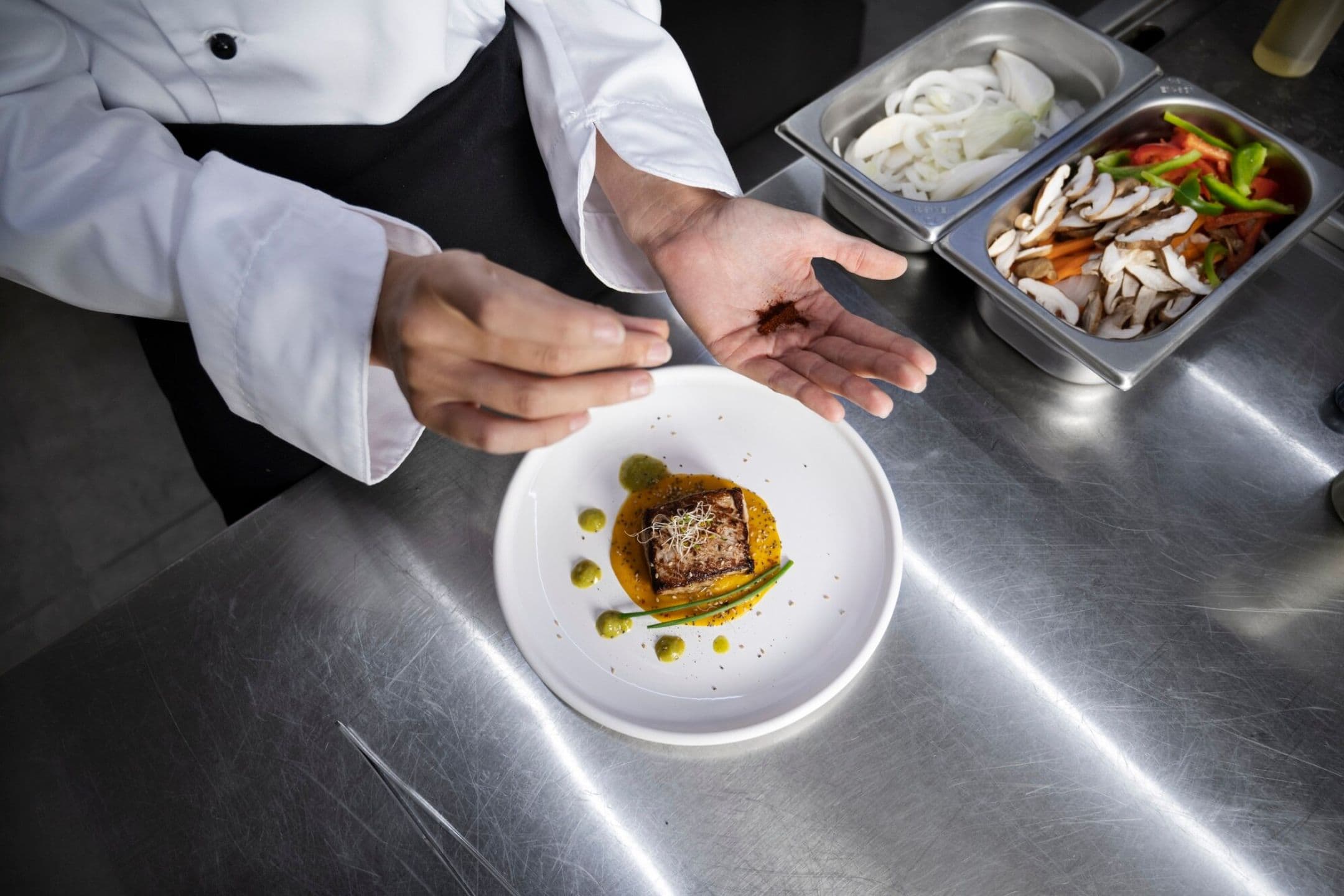
I didn’t grow up around fancy food. My family’s big nights out were at a local Italian place. Unlimited breadsticks. Red sauce. The works. So when I found myself with a reservation at a Michelin starred restaurant, I didn’t really know the rules. I wasn’t sure what to wear. I was worried about making a fool of myself. Normal stuff.
Turns out I worried for nothing. The whole thing felt easy. Relaxed. Not at all the stiff, formal scene I’d built up in my head. If you’re heading into your own Michelin-star dining experience, here’s what I picked up. No fluff. Just what actually happened. My fine dining expectations couldn’t have been more wrong.
So What’s the Deal With the Star Anyway
I looked this up afterwards. The Michelin Guide started as a tire company project in France in 1900. They wanted people driving more, burning through rubber, so they put together a little book of restaurants and hotels worth visiting. The star ratings got added later.
One star is for excellent cooking. Two means it’s worth a detour. Three means the whole trip should be planned around that meal. Inspectors visit anonymously. They pay their own way. They judge technique, consistency, ingredients, the chef’s voice. Decor doesn’t enter into it.
A Michelin-star restaurant experience isn’t about chandeliers. It’s about a kitchen that’s been quietly tested and found serious. A three-star place is rare. But a two-star spot like Harbor House Inn on the Mendocino Coast works from the same principles. Obsession over ingredients. Respect for the seasonal ingredients. Making guests feel welcome. The star count tells you about recognition. The evening itself depends on the people running it.
What the Room Actually Feels Like
I walked in expecting silence. Stiff waiters. Maybe someone at a podium looking down at me.
Instead, the host smiled and knew the name on the reservation before I gave it. Someone took my coat. Someone offered water. I asked for tap, and they poured it without blinking. The room had actual noise. People talking. Laughing. Music low in the background. It felt like a dinner party, not a test.
A Michelin tasting menu means the kitchen sends out a set series of dishes. We had around eight courses. You don’t order. You just sit, and plates start arriving. A multi-course tasting menu unfolds gradually, so you never feel rushed. Maybe every fifteen minutes. The timing was relaxed. Nobody hurried us. Three hours slipped by without notice. Between courses we talked, watched the room. I realized my water glass never went empty, but I never saw anyone refill it. That kind of thing.
Fine dining service surprised me. I expected formality. What I got was attention. Servers noticed when we needed something and vanished when we didn’t. They remembered an allergy we’d mentioned at booking. Each plate came with a short description. A couple of sentences. Where the main ingredient came from. Why the chef chose that approach. That’s personalized hospitality. You feel looked after, not watched.
Quiet luxury is a term floating around now. It fits. Nothing flashy. No gold leaf. Just a comfortable room, smooth service, and food that tasted completely like itself. A good fine dining guide would say the same. The best meals don’t shout.
You Can Taste the Location
What got me was how specific everything tasted. Not just good. Specific. The vegetables tasted like dirt in the best way. The fish had that cold, clean ocean thing going on. There were herbs on the plate that smelled exactly like the wild stuff growing along the road we’d driven in on. This wasn’t food that could come from anywhere. It was food from right there.
Harbor House Inn leans all the way into this. It’s a small inn on the Mendocino Coast, hours north of San Francisco, sitting on a bluff above the Pacific Ocean. Chef Matthew Kammerer runs the kitchen with what they call hyper-local cuisine. There’s a ranch behind the inn. They grow vegetables. They forage from the woods and shoreline. The seasonal tasting menu shifts constantly because the land decides what’s ready, not the other way around.
That’s ingredient-driven cuisine. The ingredients lead. A carrot pulled that morning doesn’t need much. Salt, heat, maybe butter. The skill is knowing when to stop. Culinary craftsmanship looks like holding back. You taste the place, not the technique.
The inn holds two Michelin Stars and a Michelin Green Star. The green one means the kitchen takes the environment seriously. Sustainable gastronomy that’s actually real. Dining room windows stay open. You hear waves during the meal. That’s the atmosphere. Luxury hospitality here means they remember you without making it obvious. People come for the Michelin dining experience and stick around for tidepools and morning fog. Destination dining that can’t be copied anywhere else.
A Few Things I’m Glad I Knew
I overthought a lot of stuff beforehand. Maybe you will too. Here’s what helps. Think of these as Michelin restaurant tips, not hard rules.
Book early. These places fill weeks or months out. If you’ve got dietary restrictions, tell them when you book, not when you sit. The tasting menu is planned around what’s coming in. Last-minute changes are possible, but advance notice gets you a smoother meal.
Dress codes are way looser now. Unless they specifically say formal, just wear clean clothes. Something comfortable for sitting three hours. Leave the tie at home. Most fine dining etiquette today is simply about being respectful of the restaurant and the experience.
Arrive on time. A few minutes early is better than late. Kitchens pace the seatings. Your arrival affects the whole evening’s flow.
Keep an open mind. You might see something unfamiliar on the plate. Sea urchin. Aweird-looking green. Try it. You don’t have to love every bite. But the kitchen isn’t messing with you. They’re showing you something they care about.
Ask questions if you’re curious. Servers know the menu cold. They’ll tell you where those mushrooms came from, how the sauce got built, why that specific fish was chosen. A genuine question often leads to a good conversation. I once asked about a butter and got a whole farm story.
Let the meal take its time. Three hours sounds long on paper. It doesn’t drag. Courses are spaced so you get a breather between them. Talk. Look around. Soak in the room. That’s really the heart of Michelin dining etiquette.
Don’t critique every plate. A lot of first-timers spend the meal analyzing. Was that course impressive enough? Did the pairing work? Is this worth the cost? That mindset ruins things. You’re not reviewing. You’re eating. Show up curious and let the kitchen lead.
A solid Michelin-star restaurant experience isn’t about being fancy or perfect. It’s about a team that’s great at what they do giving you an evening that reflects their philosophy and their place. The stars are recognition. What stays with you is the warm room, the quiet attention, the carrot that tasted like it was still in the ground.
You leave full. You leave happy. You’re already thinking about the next reservation. Not because you checked a box. Because you just ate one of the best meals of your life and you finally get why people chase these things. That’s it.
 Admin Jogez Ai