
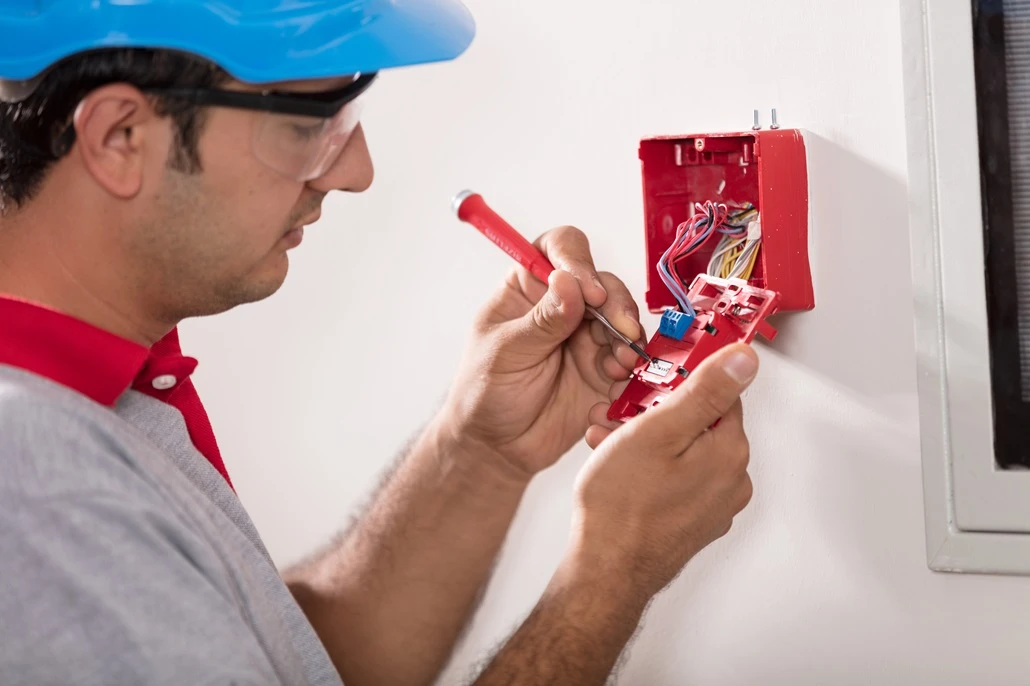
When we think about property maintenance, we often focus on aesthetics or structural integrity. However, the most vital investment any homeowner or business manager can make is a high-quality Fire Alarm Installation. A functional fire alarm system isn’t just a buzzing box on the ceiling; it is a sophisticated network designed to provide the earliest possible warning during an emergency. This early detection is the thin line between a minor incident and a catastrophic loss of life or property.
In recent years, technology has transformed the way we approach safety. Modern systems now integrate with smart home hubs and commercial building management software. This guide will walk you through everything you need to know about Fire Alarm Installation, from choosing the right sensors to ensuring you meet local building codes.
Choosing the Right System for Your Fire Alarm Installation
Before you drive a single screw into a wall, you must determine which type of system suits your specific environment. Not all alarms are created equal, and the wrong choice could lead to delayed response times or annoying false triggers.
Ionization vs. Photoelectric Sensors
Most people don’t realize that there are two primary sensing technologies. Ionization alarms are generally more responsive to fast-flaming fires, while photoelectric alarms are better at detecting slow, smoldering fires. For a truly comprehensive Fire Alarm Installation, many experts recommend “dual-sensor” units that combine both technologies.
Conventional vs. Addressable Systems
For smaller residential properties, a conventional system is usually sufficient. It triggers a general alarm when smoke is detected. However, for larger buildings or commercial spaces, an addressable system is superior. It tells you exactly which detector was triggered, allowing emergency responders to pinpoint the fire’s location instantly
Step-by-Step Process for a Residential Fire Alarm Installation
While some homeowners opt for a DIY approach with battery-operated units, a hardwired Fire Alarm Installation offers higher reliability. Hardwired systems are interconnected, meaning if one alarm detects smoke in the basement, every alarm in the house will sound.
1. Mapping Your Placement
Placement is the most critical phase of any Fire Alarm Installation. You should have a smoke detector in every bedroom, outside every sleeping area, and on every level of the home, including the basement. In kitchens, place the alarm at least 10 feet away from cooking appliances to minimize false alarms from burnt toast or steam.
2. Cutting and Wiring
For hardwired units, you will need to run a 14/3 cable between the units. This allows the alarms to communicate. Ensure you turn off the power at the breaker before starting any electrical work. Mount the electrical boxes in the ceiling or high on the walls (within 12 inches of the ceiling).
3. Mounting the Brackets
Secure the mounting plate to the electrical box. Pull the wires through the center of the bracket. Most modern Fire Alarm Installation kits come with a quick-connect harness, making the final attachment much simpler.
4. Testing the Interconnection
Once all units are installed and the power is restored, press the “test” button on one unit. If the installation was successful, every alarm in the house should trigger simultaneously.
Commercial Fire Alarm Installation: Legal Requirements and Compliance
Unlike residential setups, a commercial Fire Alarm Installation is strictly governed by the National Fire Protection Association (NFPA) codes and local fire department regulations. Failure to comply can lead to massive fines or the closure of your business.
-
NFPA 72 Compliance: This is the National Fire Alarm and Signaling Code. It dictates how systems must be designed, tested, and maintained.
-
Professional Certification: Most jurisdictions require that a commercial Fire Alarm Installation be performed by a licensed electrician or a certified fire safety technician.
-
Monitoring Services: Commercial systems often require 24/7 monitoring. This ensures that the fire department is notified automatically, even if the building is empty.
Common Mistakes to Avoid During Fire Alarm Installation
Even with the best equipment, poor execution can compromise your safety. Here are the most frequent errors encountered during Fire Alarm Installation:
-
Placing Alarms Near Vents: Ceiling fans or HVAC vents can blow smoke away from the detector, delaying the alarm.
-
Neglecting the “Dead Air” Space: Corners where walls meet ceilings often have “dead air” where smoke doesn’t circulate well. Always mount detectors at least 4 inches away from corners.
-
Using the Wrong Batteries: If your Fire Alarm Installation includes battery backups, always use the brand recommended by the manufacturer. Some lithium-ion batteries can interfere with the sensor’s circuitry if not compatible.
-
Skipping the Kitchen Heat Sensor: In areas with high steam or smoke, consider a heat-only sensor instead of a smoke detector to prevent nuisance alarms.
The Role of Smart Technology in Modern Fire Alarm Installation
We are living in an era of “Smart Safety.” Integrating smart tech into your Fire Alarm Installation provides peace of mind that traditional “dumb” alarms cannot match.
Smart alarms can send push notifications to your smartphone the moment smoke is detected. This is invaluable if you have pets at home or if a fire starts while you are traveling. Furthermore, some smart systems can be silenced via an app, saving you from having to climb a ladder to stop a false alarm.
Maintenance After Your Fire Alarm Installation
The work doesn’t end once the sensors are on the wall. A Fire Alarm Installation is a life-long commitment to maintenance.
-
Monthly Testing: Press the test button once a month to ensure the circuitry and siren are functional.
-
Annual Cleaning: Use a vacuum or a can of compressed air to remove dust and cobwebs from the sensor chamber. Dust is a leading cause of false alarms.
-
The 10-Year Rule: Almost all smoke detectors have a lifespan of 10 years. Even if the alarm sounds when you press the button, the internal sensors degrade over time. You must plan for a total Fire Alarm Installation replacement every decade.
Why Professional Fire Alarm Installation is Worth the Cost
While it is tempting to save money by doing it yourself, professional Fire Alarm Installation offers several advantages:
-
Code Expertise: Professionals know the local “Authority Having Jurisdiction” (AHJ) requirements by heart.
-
Strategic Placement: They understand airflow patterns and heat zones better than the average DIYer.
-
Liability Protection: In a commercial setting, having a certificate of professional Fire Alarm Installation can lower your insurance premiums and protect you from legal liability.
-
System Integration: Professionals can link your fire safety system with emergency lighting, sprinkler systems, and security cameras.
Conclusion: Prioritizing Your Safety
Investing in a robust Fire Alarm Installation is one of the most responsible decisions you can make for your family or your employees. By understanding the differences between sensor types, following strict placement guidelines, and adhering to legal codes, you create a fail-safe environment. Safety isn’t about hoping for the best; it’s about preparing for the worst with the best technology available.
Whether you are upgrading an old house or outfitting a new commercial high-rise, treat your Fire Alarm Installation with the seriousness it deserves. Don’t wait for a “close call” to realize your system is outdated. Take action today, consult with a professional if needed, and breathe easier knowing you are protected.
Frequently Asked Questions (FAQs)
1. How many smoke detectors do I need for a standard Fire Alarm Installation?
For a typical home, you need one in every bedroom, one outside each sleeping area, and at least one on every floor. A three-bedroom, two-story house usually requires a minimum of 5 to 7 units for full coverage.
2. Can I install a fire alarm myself?
Battery-operated units are easy to install yourself. However, hardwired Fire Alarm Installation involves working with high-voltage electricity and is best left to a licensed professional to ensure the interconnection works correctly and meets building codes.
3. Why does my alarm chirp after a new Fire Alarm Installation?
A chirping sound usually indicates a low battery, a loose wire, or that the battery pull-tab wasn’t fully removed. In some cases, it can also signal that the unit has reached its end-of-life or is experiencing an internal malfunction.
4. What is the difference between a smoke alarm and a fire alarm system?
A smoke alarm is a standalone device that detects smoke and sounds an alert. A Fire Alarm Installation for a building usually refers to a centralized system with a control panel, manual pull stations, sirens, and multiple types of sensors (smoke, heat, CO2) all working together.
5. How often should I replace the batteries in my fire alarm?
If your Fire Alarm Installation uses standard 9V batteries, change them every six months (a good rule is to do it when the clocks change for Daylight Savings). If you have 10-year sealed lithium battery units, the batteries do not need to be changed; the entire unit is replaced after a decade.
 IQnewswire